
Exploring the psychology behind casino game choices
The Role of Chance and Control
The allure of casino games often lies in the delicate balance between chance and the illusion of control. Players frequently believe that their choices can influence outcomes, even in games defined by luck, such as slots or roulette. This perception is driven by cognitive biases, including the gambler’s fallacy, where individuals mistakenly think that past outcomes will affect future results. Furthermore, players might engage in rituals related to offshore sports betting or other games, using specific numbers or wearing lucky charms, reinforcing their sense of agency despite the inherent randomness of these games.
This psychological aspect of control can significantly impact player engagement. When players feel they have a stake in the outcome, they are more likely to continue playing, investing not only money but also emotional energy. Understanding this interplay helps casinos craft experiences that enhance player enjoyment and loyalty, ensuring that customers return not just for potential winnings but also for the thrill of the game.
Emotional Engagement and Escapism
The emotional connection players develop with certain games cannot be overlooked. Whether it’s the colorful graphics of a slot machine or the social dynamics of table games, these elements evoke various feelings that can lead to immersive experiences. Many players seek escapism through casino games, using them as a means to relieve everyday stress and find joy in the unpredictability of play. These emotions can drive game choice, as players gravitate toward those that elicit the strongest positive reactions. Unknown elements play a role in how players perceive risks and rewards, ultimately influencing their gambling behavior in fascinating ways.
Furthermore, the social aspect of gambling contributes to emotional engagement. Players often enjoy the communal experience of participating in games alongside others, sharing in the excitement and disappointment. This shared emotional journey can enhance the overall experience, making social games like poker or blackjack particularly appealing. The psychology behind these choices reveals how deeply intertwined personal feelings and social interactions are within the realm of gambling.
Brand Influence and Game Design
Casino branding and game design play crucial roles in influencing player preferences. The visual and auditory elements designed to attract players can create a lasting impression, often leading to repeated play of specific games. Psychological principles, such as bright colors and enticing sounds, are intentionally used to stimulate excitement and anticipation, driving players toward certain choices. Additionally, the strategic placement of games within a casino can affect accessibility, further influencing which games players ultimately choose. The psychology behind these designs showcases how they cater to the preferences and tendencies of diverse audiences.
Brands also capitalize on the psychology of familiarity. Players are likely to gravitate toward games they recognize, either from previous experiences or through marketing efforts. This familiarity provides a sense of comfort, influencing the likelihood of game selection. As casinos continuously refine their offerings, understanding the interaction between branding, design, and player psychology becomes essential for creating a successful gaming environment.
The Impact of Social and Cultural Factors
Social and cultural factors shape the way individuals approach gambling and, consequently, their game choices. Peer influence is significant; individuals may choose particular games based on recommendations from friends or family, or even through observing others’ behavior at the casino. This social learning can lead to trends in game popularity, where certain games become fashionable based on group dynamics. Understanding this interplay is crucial for casinos aiming to attract a diverse customer base.
Additionally, cultural background can inform perceptions of gambling, with some cultures embracing it more openly than others. The belief systems surrounding luck, fate, and fortune can influence which games appeal to specific demographics. For example, players from cultures that value chance might prefer games that heavily rely on luck rather than strategy. Recognizing these social and cultural influences is vital for casinos aiming to tailor their offerings to diverse audiences.
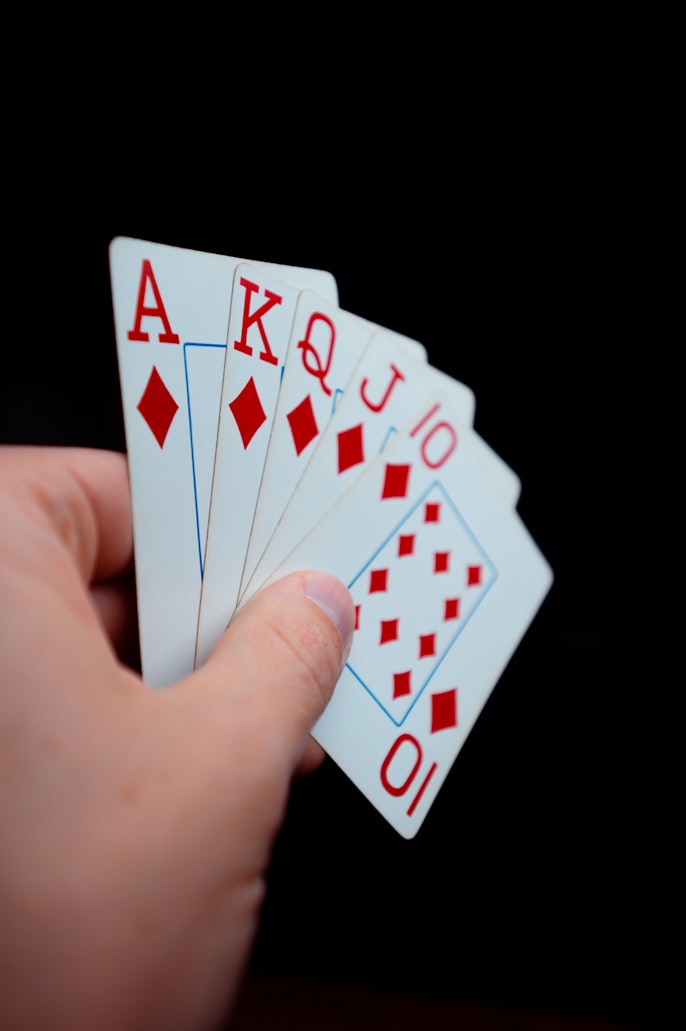
Understanding the Gaming Experience on a Deeper Level
Examining the psychology behind casino game choices reveals a multi-faceted experience where emotional engagement, social influences, and cognitive perceptions converge. Casinos that leverage these insights can create tailored experiences that resonate with players on both emotional and psychological levels. This understanding not only enhances player satisfaction but can also lead to greater loyalty and extended playtime.
By prioritizing player psychology in their design and marketing strategies, casinos can foster a deeper connection with their customers. This relationship contributes to positive gambling experiences, which not only enhances enjoyment but can also promote responsible gaming practices. Websites and platforms exploring these dynamics can serve as valuable resources for players and operators alike, providing insights into the ever-evolving landscape of casino gaming.